Coffee freshness advice runs to extremes: drink it within days of roasting or it is dead, say the purists, while grocery shelves sell beans roasted seasons ago to people who drink them happily. The truth is a curve, not a cliff. Fresh coffee changes across weeks in ways you can taste and plan around, and knowing the curve ends both the snobbery and the waste.
This guide covers what happens inside a bean after roasting, how to buy and store for a Charlotte home, and how to use beans at each age for the drinks they suit best.
- Days 1-3 after roast: resting. Fresh beans release carbon dioxide heavily. Espresso pulled this early bubbles, extracts unevenly, and tastes sharp. Roasters bag fresh; drinkers should let espresso rest about a week.
- Days 4-14: the sweet spot opens. Gas settles, aromatics peak, and both espresso and filter coffee show the bean at its most complete. This is the window cafes plan around.
- Weeks 3-4: the gentle fade. Delicate top notes leave first. The coffee still drinks sweet and balanced, with less sparkle. Most home drinkers are content here and should be.
- Months out: staling. Oxygen flattens flavor and adds papery, woody notes. Pre-ground coffee races here in days, because grinding multiplies exposed surface enormously.
- Match the method to the age. Use the freshest beans for straight espresso and pour overs, where clarity exposes age, and older-but-not-stale beans for milk drinks and cold brew, which forgive and even flatter them.
Grind size changes the freshness math too. Whole beans hold their aromatics for weeks because the interior is sealed off from air. The moment you grind, that interior becomes surface, and the clock speeds up by an order of magnitude. This is why pre-ground coffee from a shop, ground on a serious grinder the day you buy it, still fades faster than beans you grind coarsely at home on a modest one. If convenience forces a choice, buy pre-ground in the smallest bag, seal it hard, and drink it in week one without guilt. The curve is a guide, not a judge.
Retail bags lie by omission in one more way: the valve on the bag matters. That little one-way valve lets roasting gas escape without letting air in, and it is why sealed bags hold freshness far better than the open bin at a grocery store. Buy the sealed bag, not the scoop bin, when both hold the same coffee.
Storage, settled simply
Keep beans whole, in a sealed container, in a cool dark cabinet. Air, light, heat, and moisture are the enemies; the counter by the stove fails all four. Freezing works for long storage if done once, in sealed portions you thaw fully before opening, but freeze-thaw cycles and daily in-and-out ruin more coffee than the freezer saves. Never refrigerate: beans absorb odors and moisture there. Buy in amounts you finish in two to three weeks and the storage problem mostly solves itself.
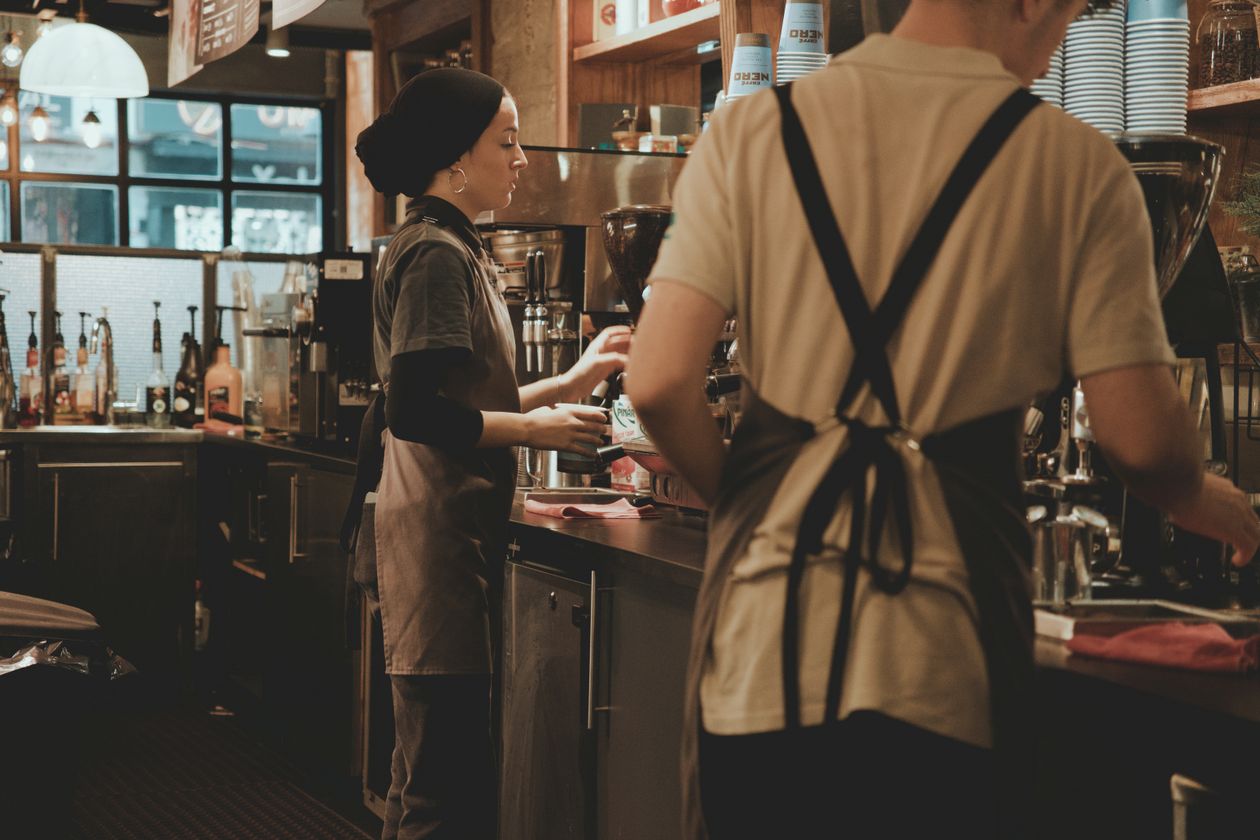
One boundary is worth stating plainly: do not chase freshness into waste. Beans at week four are not garbage; they are milk drink beans, cold brew beans, the pot you brew for a crowd. The households that enjoy coffee most treat the curve as a routing system rather than a pass-fail test. The freshest bag gets the weekend pour overs. The older bag gets Tuesday's cold brew pitcher. Nothing is wasted, everything is tasted at its best use, and the only real sin left is the bag forgotten for six months behind the cereal.
What roast date honesty looks like
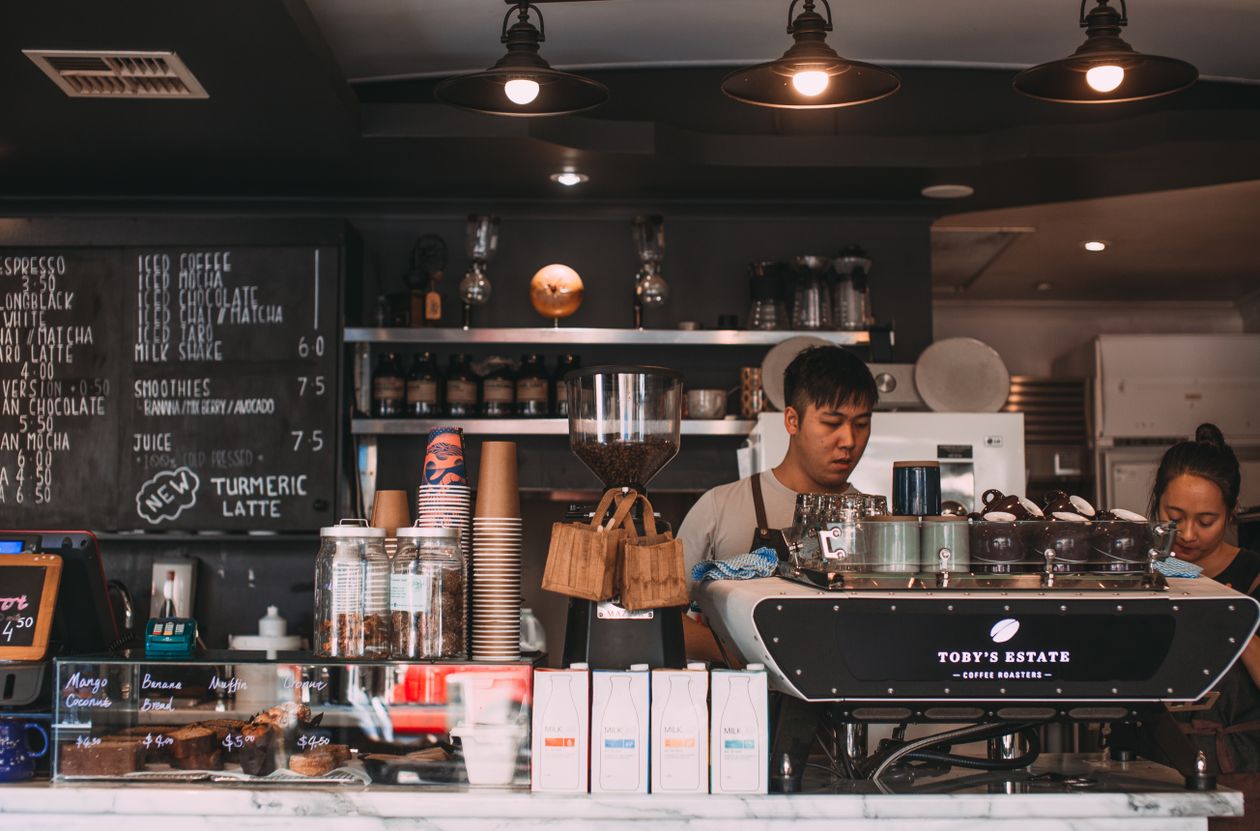
Good roasters print roast dates. Best-by dates a year out are marketing, not information. When you buy from a local shop, ask what is freshest on the shelf and how they rotate stock. A shop connected to its own roaster, the way Not Just Coffee is linked to its sister company Night Swim Coffee, shortens the distance between roast and cup considerably. For home drinkers, the freshest bag you will finish in two weeks beats a larger, older bargain every time, in the cup and in relative cost per good cup.
Common questions
Is coffee roasted yesterday the best coffee?
Not for espresso. Beans need several days to degas for even extraction. Filter coffee can shine very fresh. Peak flavor for most uses lands in the first two weeks after roast.
Should I freeze my coffee beans?
Only for storage beyond a few weeks, sealed in single portions, thawed once, unopened until room temperature. For beans you will finish soon, a sealed cabinet container is simpler and safer.
How long does ground coffee stay fresh?
Days, not weeks. Grinding exposes huge surface area to oxygen. If you buy ground, buy small amounts, seal tightly, and expect the best cups in the first week.
Photos in this guide are representative stock images.
← All guides from Not Just Coffee← Back to Not Just Coffee