Specialty coffee menus read like a foreign language at first contact: single origin, washed, cortado, bloom. New customers cope by ordering a latte every time, which is fine, but it wastes the menu. The truth is that a coffee shop order needs only three decisions, and every intimidating word on the board is decoration on one of them.
This walkthrough is for a first visit to a Charlotte specialty shop: how to read the board, what the barista actually needs from you, and how to land on a drink you like without pretending to know terms you do not.
- Decide hot or iced, and how much time you have. Iced drinks and lattes come fast. A pour over takes minutes and is worth them when you can sit.
- Decide milk or no milk. Milk drinks run on espresso and taste smooth and sweet. Black drinks show the coffee itself. Neither is more serious; they are different drinks.
- Pick a size and a sweetness level out loud. Specialty shops often serve smaller, stronger drinks than chains. Saying lightly sweet or not sweet at all saves the remake.
- If you want to taste the coffee, order a single origin pour over or an espresso. If you want comfort, order a latte or cappuccino. If you want summer in a glass, cold brew.
- Ask the barista one question. What are you excited about right now is the best sentence in any coffee shop. Baristas light up, and you drink the best thing in the building.
- Taste before you fix. Drink the first sips as made. Sugar and extra shots are easier to add after a taste than to apologize for before one.
The words that actually matter
Single origin means the coffee comes from one place, one farm or region, instead of a blend, and it will taste like that place. Washed and natural describe how the coffee fruit was processed, washed being cleaner and brighter, natural being fruitier and heavier. Roast level runs light to dark, with light roasts showing more of the bean's own character and dark roasts tasting more of the roast itself. That is most of the vocabulary. Everything else, from bloom to extraction, is the barista's job, not yours.
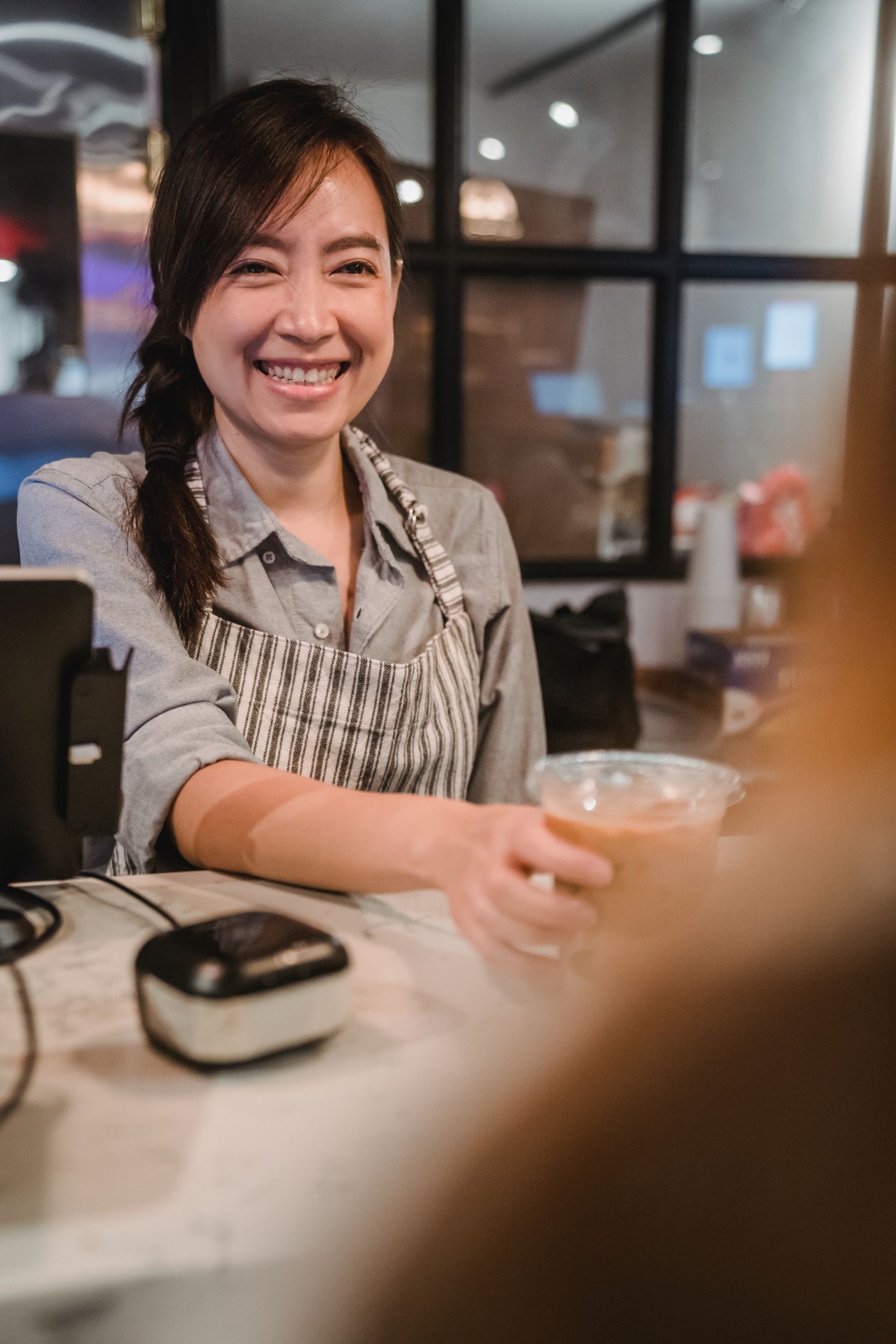
A note on price honesty, in relative terms: specialty drinks cost more than diner coffee because the inputs and labor differ at every step, from better-paid coffee at origin to a trained barista making your cup one at a time. You do not need to buy the most expensive drink on the board to taste the difference. A simple drip or a plain latte at a shop that cares will show you the gap clearly, and it is the right first purchase for a skeptic.
What not to worry about
You cannot order wrong in a way that matters. Pronunciation is free. Milk alternatives are normal. Decaf at a good shop is a real coffee treated with respect, not a punishment. And the person behind the counter has heard every version of I usually just get whatever from a chain, followed by honest curiosity. Shops like Not Just Coffee run cuppings and classes precisely because they like teaching this. A question at the counter is the small version of the same thing.
One courtesy travels well: if the shop is slammed, keep the long learning conversation for the second visit and order the latte. If the shop is quiet, ask everything. Baristas calibrate to the line behind you, and so should you.
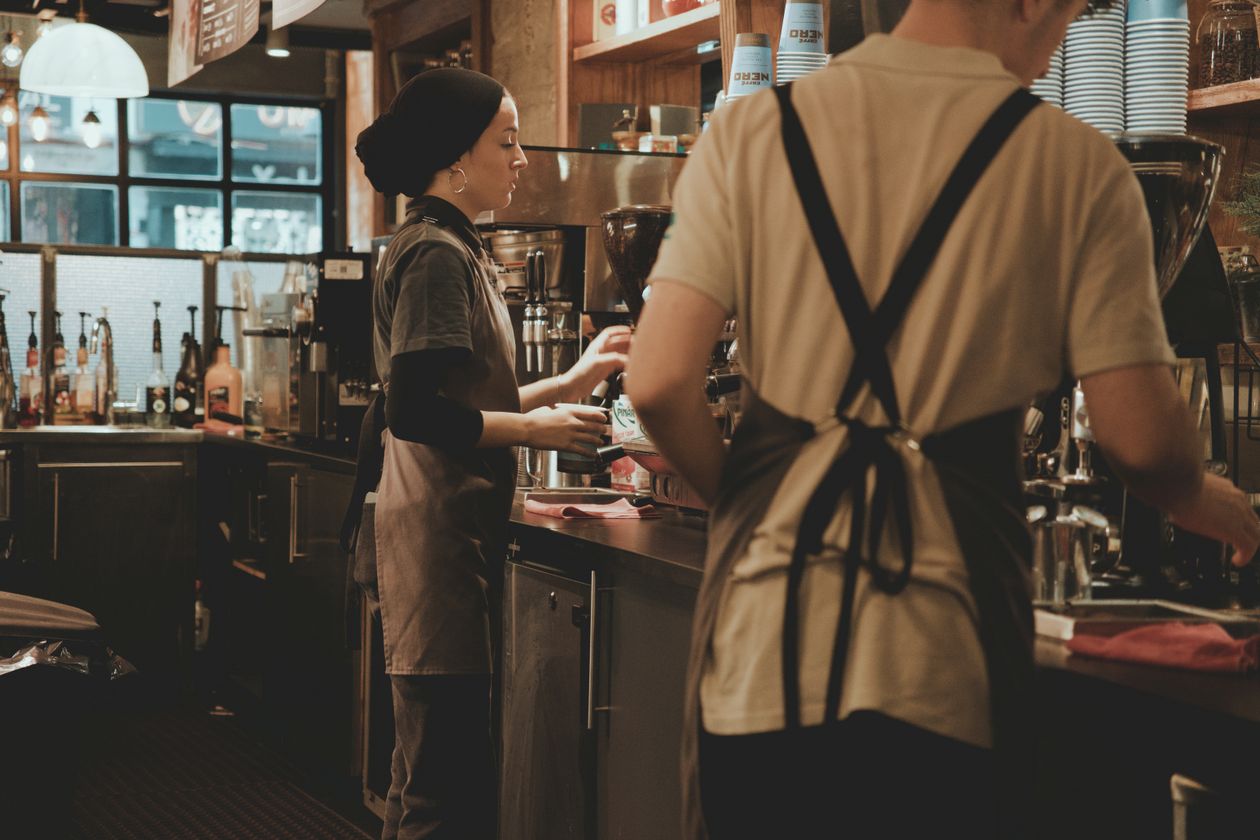
Your second visit
Order the same base drink with one variable changed: the single origin in your latte, the cappuccino instead of the latte, the pour over of the bean you liked as espresso. Coffee taste is learned comparatively, one variable at a time, and three visits of that method teach more than a year of ordering the usual. By the fourth visit you will have a usual of your own, and it will be yours.
Common questions
What is the safest first order at a specialty shop?
A latte, hot or iced. It is smooth, familiar, and shows the shop's espresso and milk work. From there, branch toward a cappuccino for more coffee presence or a pour over for clarity.
What does single origin mean, in one sentence?
All the beans in that coffee come from one farm or region, so the cup tastes like that specific place rather than a blended average of several places.
Is it okay to ask the barista for a recommendation?
It is the best move you can make. Say what you usually like, sweet or strong, milk or black, and let them aim. They taste every coffee on the bar daily.
Photos in this guide are representative stock images.
← All guides from Not Just Coffee← Back to Not Just Coffee