Home coffee fails for fixable reasons, and the fixes are boring in the best way: water, grind, ratio, freshness. The gap between a cafe cup and a kitchen cup is rarely the machine. Home brewers make excellent coffee on modest gear every morning in Charlotte by controlling the four variables that actually move flavor, and ignoring the expensive ones that mostly move money.
Work through this checklist in order. Each item is cheap, testable in one weekend, and more powerful than the one after it.
- Water first. If your tap water tastes like a pool, your coffee will too. Filtered water is the single largest home upgrade available at any budget.
- Weigh the coffee once. A standard starting ratio is about 1 part coffee to 16 parts water by weight. Kitchen scales make brewing repeatable instead of hopeful.
- Grind fresh, and grind right. Burr grinders beat blade grinders for even extraction. Medium for drip, medium-fine for pour over, coarse for cold brew and French press.
- Respect the bloom. Pour a little hot water over fresh grounds and wait thirty to forty-five seconds. The grounds puff and release gas, and the rest of the water extracts evenly.
- Water temperature in range. Just off the boil, roughly 195 to 205 degrees, extracts sweetly. Boiling water scorches fines; lukewarm water under-extracts and tastes sour.
- Clean the gear. Old coffee oils go rancid inside brewers and grinders. A monthly deep clean fixes mystery bitterness more reliably than new beans.
- Buy beans in two-week amounts, whole, and store them sealed away from heat and light. The freezer debate matters less than not buying a month's supply at once.
Two more habits separate consistent home brewers from hopeful ones. First, rinse and preheat: a cold ceramic dripper or a room-temperature French press steals heat from the brew, and the cup shows it. Warm the vessel with hot water while the kettle heats and the extraction stays in range. Second, keep a tiny log for a month: bean, ratio, grind setting, one line on taste. It feels fussy for exactly three days, and then it becomes the reason your coffee stops mysteriously changing every morning. Cafes log every dial-in for the same reason. Memory lies about taste; paper does not.
Charlotte's water deserves a sentence of its own. Municipal water here is treated and perfectly safe, and its mineral and chlorine profile is exactly what a filter is for. Brew one pot with filtered water and one with tap, side by side, same beans, same ratio. Most households settle the question in that single tasting and never go back.
Diagnose your cup like a barista
Sour and thin means under-extracted: grind finer, use hotter water, or extend the brew time. Bitter and harsh means over-extracted: go coarser, cooler, or shorter. Flat and dull usually means old beans or dirty equipment rather than technique at all. Change one variable per brew, taste, and write the winner on the bag. Three mornings of that discipline outperforms a year of random upgrades, because you stop fixing what was never broken.
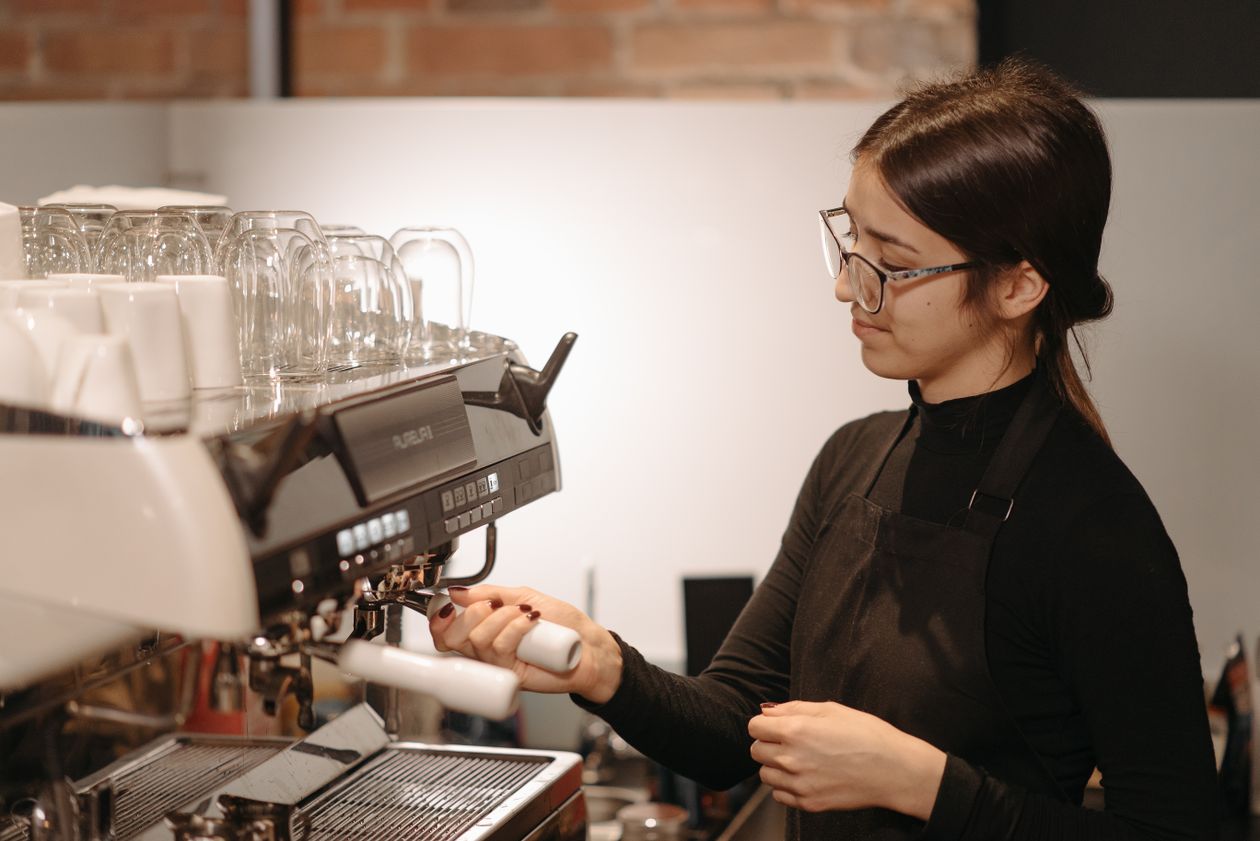
Beans deserve one more home note, because even perfect technique cannot rescue stale coffee. Buy whole beans in amounts you finish within two to three weeks, from a bag with a roast date on it, and grind per brew. Charlotte has roasters and shops selling fresh retail bags steps from most neighborhoods, so the two-week habit is easy to keep here. A modest brewer with fresh beans and filtered water will beat an expensive machine fed a two-month-old bag every single morning, and it is not close.
What cafes do that homes can copy for free
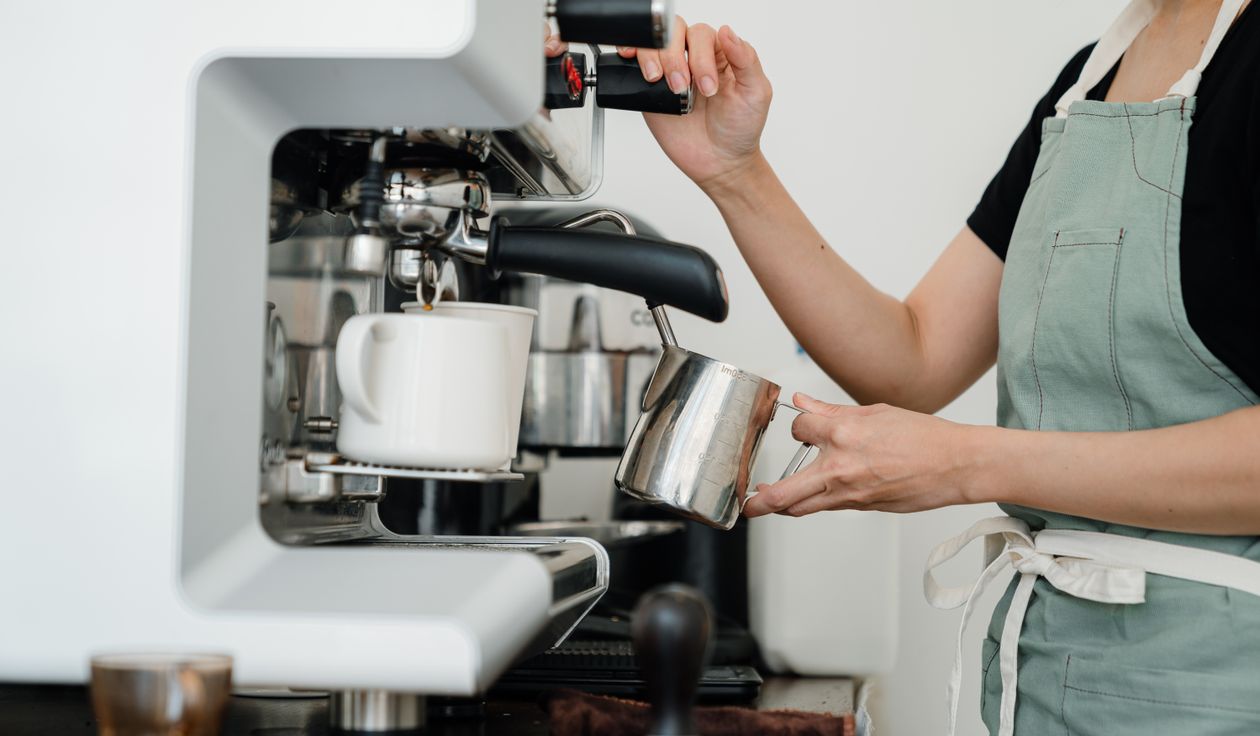
Shops rinse filters to wash out paper taste, preheat vessels so the brew does not lose temperature, and taste their drip every morning and adjust. All three cost nothing at home. So does the habit behind them: pay attention to the first sip instead of scrolling through it. The baristas at Not Just Coffee, a shop built on teaching through cuppings and classes, would give you the same list and the same order: water, ratio, grind, then everything else.
Common questions
What is the best coffee-to-water ratio for beginners?
Start near 1 to 16 by weight, about two heaping tablespoons per six ounces of water, then adjust one step at a time toward stronger or lighter to find your taste.
Does a better machine fix bad coffee?
Rarely. Water, freshness, and grind explain most bad cups, and all three are cheaper than a machine. Upgrade the grinder before the brewer if you upgrade anything.
Why does cafe coffee taste different even with the same beans?
Commercial grinders, exact water, and dialed-in recipes, plus beans at peak freshness. You can close most of the gap at home with a scale, a burr grinder, and filtered water.
Photos in this guide are representative stock images.
← All guides from Not Just Coffee← Back to Not Just Coffee